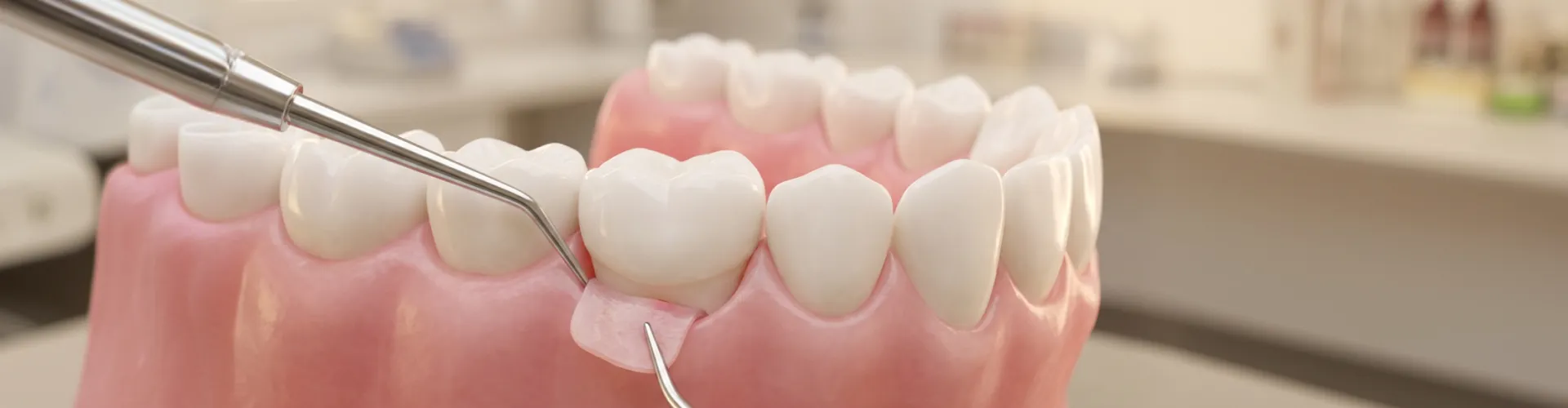
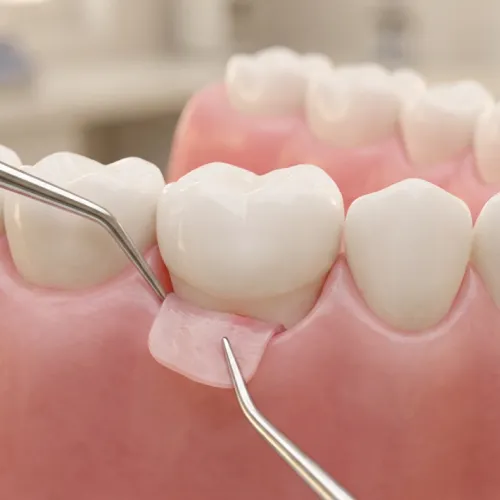
A well-placed gum graft can last a lifetime, but recovery involves a 12-month maturation process most patients aren't told about. Certain biomechanical factors — like bruxism and frenum pulls — can cause re-recession within years if left unaddressed.
Why Grafts Fail After 5 Years (And the Biomechanical Triggers Behind It)
Most conversations about gum grafts stop at "don't brush too hard." That advice isn't wrong, but it barely scratches the surface of why grafts fail long-term. Understanding the full picture starts with a thorough periodontics evaluation that accounts for the mechanical forces most practices overlook.
Three mechanical forces cause the majority of late graft failures:
1. High labial frenum attachments. The frenum is the small band of muscle tissue connecting your lip to your gum. When that attachment sits too close to the graft margin, every lip movement exerts a pulling force on the new tissue. Over three to seven years, that constant tension can peel the graft away from the tooth root — the same problem you started with. A frenectomy (frenum release) before or alongside the graft eliminates this force entirely.
2. Nighttime bruxism. Grinding and clenching during sleep generates forces far beyond what normal chewing produces. WebMD notes that teeth grinding is a direct cause of gum recession — and that force doesn't disappear after a graft. Without an occlusal nightguard, bruxism continues to stress the graft margin, eventually causing abfraction and re-recession at the same site.
3. Root prominence and tooth malposition. When a tooth sits too far forward in the arch, the bone over its root is naturally thin or absent. Grafting tissue onto a prominent root without addressing tooth position is like patching a wall without fixing the underlying structural issue. Minor orthodontic correction can move the root into better bone before or after grafting, significantly improving long-term stability.
The American Academy of Periodontology emphasizes that gum graft surgery prevents additional recession and bone loss — but only when the conditions that caused the original recession are corrected first. Identifying these triggers is part of a thorough periodontal evaluation before any surgical plan is finalized.
Autograft vs. Allograft: How Tissue Source Shapes Your Recovery Timeline
Patients rarely hear this before surgery: where your graft tissue comes from significantly changes both your recovery experience and your long-term outcomes.
Autografts (your own palatal tissue) — specifically connective tissue grafts — involve harvesting tissue from the roof of your mouth. This creates two surgical sites. Cleveland Clinic explains that recovery typically takes one to two weeks, but palate soreness often extends the uncomfortable phase to 14–21 days. The trade-off is meaningful: autografts integrate deeply with your existing tissue and demonstrate higher long-term root-coverage stability, with less post-operative shrinkage over a 5–10 year period.
Allografts (donor tissue, such as acellular dermal matrix) eliminate the palatal harvest site entirely. Initial healing feels faster and less painful since there's only one surgical site. However, donor tissue tends to experience higher post-operative shrinkage rates compared to autografts. This doesn't make allografts inferior — they're an excellent option for patients who need multiple sites treated simultaneously or who aren't candidates for palatal harvesting — but the difference in long-term contraction is worth discussing with your periodontist before choosing.
A Healthline overview of gum graft procedures outlines all three graft types — connective tissue, free gingival, and pedicle — noting that a periodontist selects the approach based on individual anatomy and clinical need. That selection decision directly shapes what your recovery looks like week by week. To learn more about what contributes to gum problems in the first place, our blog post on what causes bleeding gums in Encino CA offers helpful background.
The 12-Month Maturation Timeline: What "Normal" Actually Looks Like
Most online resources describe gum graft recovery as a two-to-three week process. That framing is incomplete — and it causes unnecessary anxiety for patients in months one through six.
Here's a more honest timeline:
Weeks 1–2: The acute phase. Swelling, soreness, and sensitivity are expected. Soft foods, prescribed medications, and limited activity are standard. The graft site looks swollen and may appear larger than anticipated.
Months 1–3: Post-surgical edema resolves. As swelling goes down, the graft can appear to "shrink." This alarms many patients, but a 15–30% reduction in apparent graft volume during this phase is completely normal tissue contraction — not graft failure. Failure looks different: it involves exposed root surface returning, color changes suggesting necrosis, or significant pain. Understanding the parts of a tooth in Encino CA can help patients better interpret what they're seeing during this phase.
Months 3–6: The graft matures and stabilizes. Tissue color normalizes. Sensitivity decreases noticeably.
Months 6–12: This is where something remarkable can happen. A phenomenon called creeping attachment describes the natural, gradual migration of the gingival margin upward over the tooth surface. Root coverage can actually improve between months six and twelve without any additional treatment — the tissue continues working long after the acute healing period ends.
Healthline's coverage of gum graft pain and recovery confirms that post-operative pain decreases steadily over the first seven days, and that patients often experience less discomfort than they anticipated. The full maturation picture, however, unfolds over a full year.
Can Gums Recede Again After a Graft?
Yes — but it's not inevitable. Re-recession depends almost entirely on whether the original causes were addressed.
Cleveland Clinic's overview of gum recession is direct on this point: receding gums cannot grow back on their own, making prevention and graft maintenance critical. Once a graft is placed, the new tissue is susceptible to the same forces that damaged the original gum line.
The protective factors that extend graft longevity include using a soft-bristled brush with gentle technique, wearing a nightguard if bruxism is present, completing a frenectomy if a high frenum attachment was identified, maintaining regular periodontal maintenance visits (typically every three to four months in the first year), and correcting any bite or tooth position issues that place excess force on the grafted area.
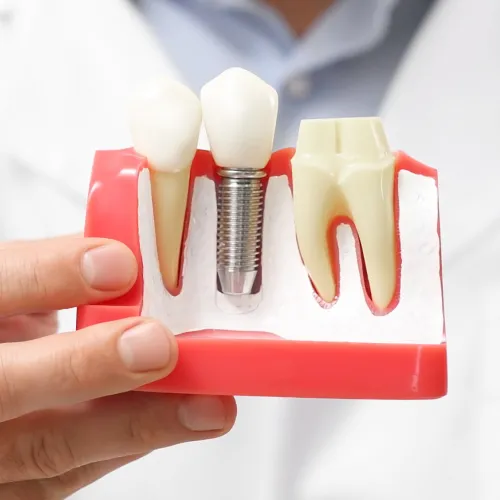
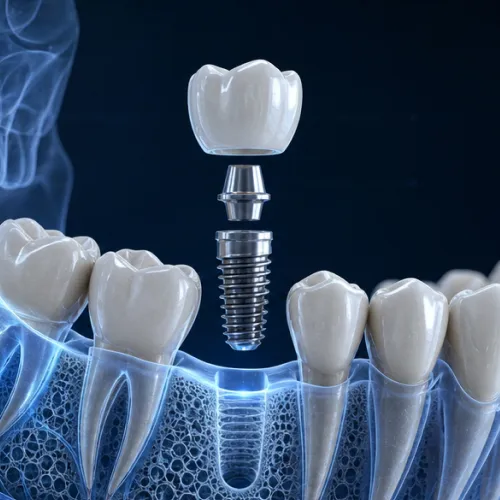
With those factors managed, gum grafts have an excellent long-term track record. Many patients maintain full root coverage for decades. The periodontist's role doesn't end at the surgical appointment — monitoring graft stability over time is part of the ongoing care relationship. In cases where recession has led to tooth loss, dental implants may be an appropriate restorative option worth discussing with your specialist.
Ready to Discuss Gum Grafting in Encino?
If you've been told you need a gum graft — or you've noticed your gums pulling back — getting a specialist's evaluation is the right next step. At Akemi Dental Specialists, our periodontists serve patients throughout Encino and the San Fernando Valley, offering thorough evaluations that account for the biomechanical factors most practices overlook. Our team also offers cosmetic dentistry services for patients looking to address the aesthetic impact of gum recession alongside their periodontal treatment. Contact us to schedule your consultation.
Medical disclaimer: This article is intended for informational purposes only and does not constitute medical or dental advice. Always consult a qualified dental professional for diagnosis and treatment recommendations specific to your situation.