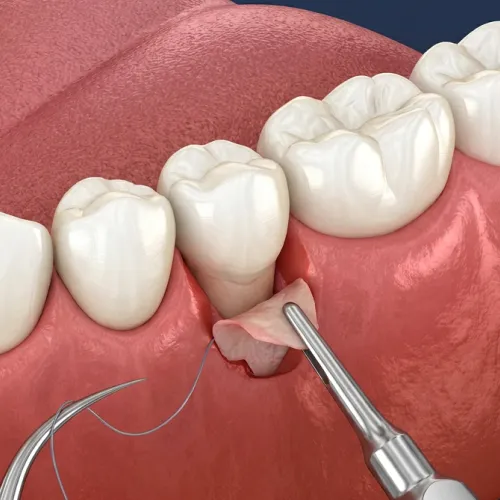
Gum Graft Disadvantages, Risks, and Pain: What Patients in Encino Should Know
Wondering about gum graft risks, pain, and drawbacks? Learn what Encino patients must know before surgery. Schedule your expert consultation with us today!
Read More

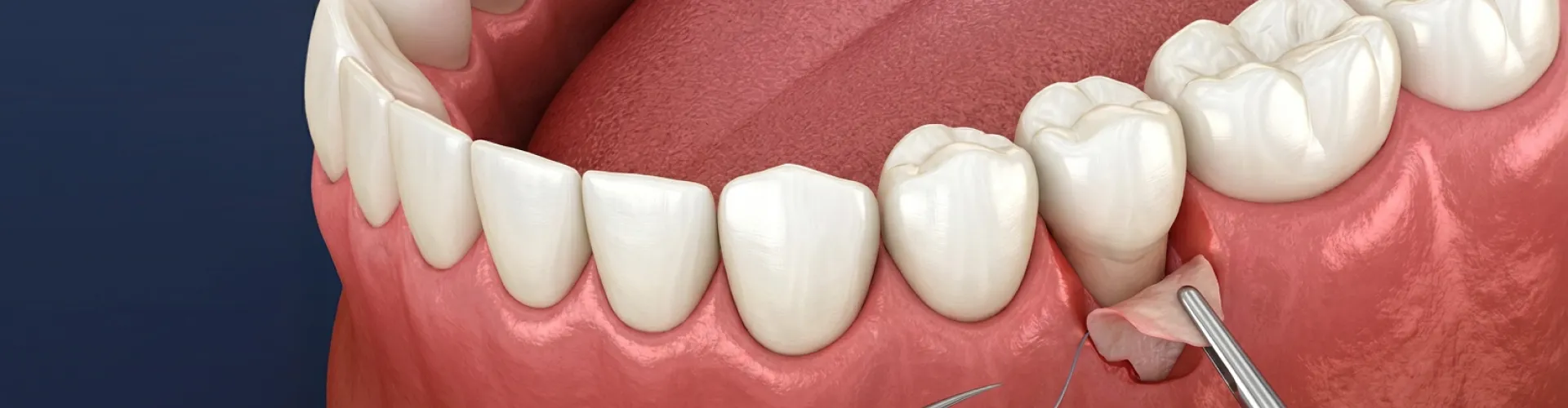
Emergency Dentistry
Gum grafting is a proven treatment for receding gums, but it carries real trade-offs — including pain, tissue mismatch, and nerve sensitivity risks that most patients never hear about beforehand. Understanding these disadvantages helps you make a genuinely informed decision before scheduling surgery.
Gum grafting is frequently recommended for both health and cosmetic reasons. For Encino-area patients seeking a more uniform smile, some are caught off guard by an outcome that looks less like restoration and more like patchwork.
When tissue is harvested from the roof of your mouth (the palate), it carries the characteristics of palatal tissue — thicker, more keratinized, and often paler than the surrounding gum line. After healing, this grafted tissue can appear as a raised, rubbery patch that doesn't blend naturally with the vascularized pink gingiva around it. On anterior (front) teeth, where the smile line is most visible, this mismatch is particularly noticeable.
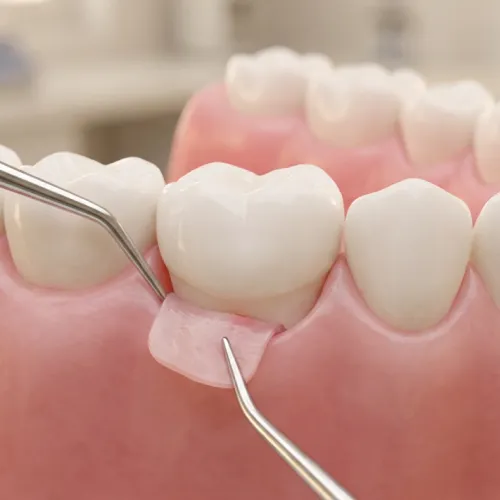
The degree of mismatch depends on the graft type. Connective tissue grafts — the most common approach — offer the best long-term integration because only the underlying layer is transplanted. According to WebMD, connective tissue grafts are specifically preferred for root exposure cases because of their superior healing profile. Free gingival grafts, which remove surface tissue directly, tend to leave a more obvious textural difference.
In cases where the aesthetic result is unsatisfactory, secondary procedures like gingivoplasty may be needed to smooth down raised margins. This is rarely discussed upfront. If cosmetic improvement is part of your goal, ask your periodontist explicitly about tissue color and texture expectations before committing to a specific technique. Our periodontics specialists can walk you through what to realistically expect for your specific case.
One of the most consequential decisions in gum grafting is where the tissue comes from — and it directly determines both your pain experience and your risk of failure.
Autografts use your own palatal tissue. This means two surgical wounds: one at the recipient site and one at the donor site on the roof of your mouth. The palate can be surprisingly uncomfortable during healing, and Healthline notes that periodontal plastic surgery — which includes gum grafting — is associated with more post-operative pain than other dental procedures. The upside is a 90–95% root coverage success rate, with the body readily accepting its own tissue.
Allografts use processed donor tissue (sometimes called AlloDerm or cadaver matrix) from a licensed tissue bank. Cleveland Clinic explains that periodontists may use substitute grafting material purchased from licensed bone and tissue banks when clinically appropriate. Eliminating the donor site dramatically reduces post-operative pain and shortens recovery. The trade-off: allografts carry higher failure or tissue sloughing rates — particularly in patients who smoke, have thin gum biotypes, or present with deep recession defects where blood supply to the graft is limited.
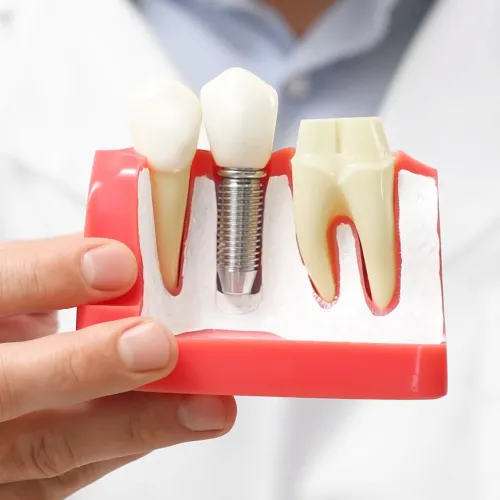
Neither option is universally superior. The right choice depends on the severity of your recession, your anatomy, and your lifestyle factors. If you've also experienced tooth loss alongside gum recession, dental implants may be part of a broader treatment plan worth discussing with your specialist.
Most gum graft content focuses on days one through seven — swelling, soft foods, keeping the site clean. What rarely gets discussed is the risk of sensory nerve involvement that can persist well beyond initial healing.
During palatal tissue harvesting, incisions are made in proximity to the greater palatine nerve, which supplies sensation to the roof of the mouth. Deep or wide incisions — particularly in patients with a shallow palatal vault — can cause temporary or, in rare cases, prolonged numbness, tingling, or altered taste sensation. Patients sometimes notice this at weeks two to four and mistake it for abnormal healing.
Similarly, grafts placed near the lower premolar region involve reflection near the mental nerve. Tingling or burning sensations in that area during recovery deserve prompt attention.
GoodRx notes that complete recovery from gum grafting can take four to six weeks — and soft tissue maturation continues beyond that. Mild, improving nerve sensations during this window are generally expected. Sensations that worsen after week three, or that remain unchanged at six weeks, should be evaluated by your periodontist.
Anatomical factors — including palatal vault depth and the position of existing recession — are assessable before surgery. Discuss your specific anatomy with your provider to understand your individual nerve risk profile. Understanding what causes bleeding gums can also help you recognize early warning signs that may indicate the need for intervention before recession worsens.
The procedure itself is not painful. Local anesthesia numbs both the donor and recipient sites, and sedation options are available for anxious patients. Mayo Clinic notes that periodontists are involved in dental implant and graft planning precisely because of their specialized training in gum tissue management.
Post-operative discomfort is a different story. Mild pain is the most commonly reported outcome, but moderate to severe pain affects a meaningful minority of patients — particularly those with autografts. The first 72 hours are the most critical. Proactive pain management with alternating anti-inflammatory and acetaminophen doses is standard. Prescription medication is sometimes provided for the first few days.
Swelling typically peaks around day three. A soft food diet is non-negotiable for at least the first week — nothing crunchy, hot, or requiring significant chewing near the surgical site. Straws, smoking, and alcohol must be avoided entirely during early healing.
The encouraging reality: studies show patients consistently report less pain after surgery than they anticipated beforehand. And post-operative pain decreases steadily over the first seven days. Our practice uses advanced technology to support more precise surgical planning and improved patient comfort throughout the process.
If you're weighing gum grafting — or just trying to understand whether you need it — the most important step is a thorough consultation with a specialist who can evaluate your specific recession, anatomy, and goals. At Akemi Dental Specialists, we work with patients across the San Fernando Valley and Encino to help them understand every aspect of their periodontal treatment before making a decision. You may also find it helpful to explore our cosmetic dentistry services if your goals include improving the overall appearance of your smile alongside gum health. Reach out to schedule your evaluation.
Medical disclaimer: This article is for informational purposes only and does not constitute medical or dental advice. Always consult a qualified dental professional for diagnosis and treatment recommendations specific to your situation.
Dental Specialists Encino, CA
Here's what our patients are saying about us...


Mon, Fri 6:30 am - 4 pm
Tue, Thu 6:30 am - 5 pm
Wed 6:30 am - 3 pm
Sat, Sun Closed
16055 Ventura Blvd. Suite #820, Encino, CA 91436
Endodontic Care Encino, CA