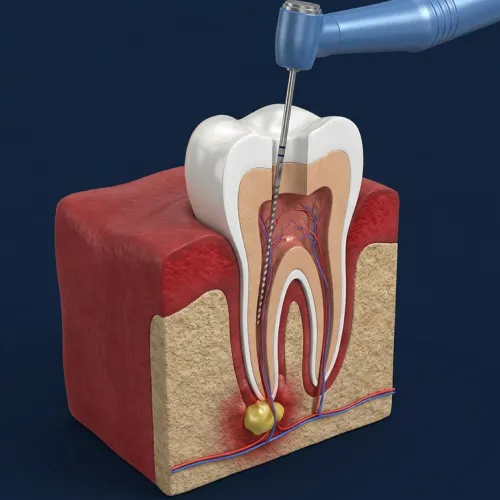
Is Root Canal Retreatment Worth It to Save Your Natural Tooth?
Wondering if root canal retreatment can save your tooth? Learn about success rates, lifespan, and benefits. Contact Akemi Dental Specialists today!
Read More

Cosmetic Dentistry, Restorative Dentistry
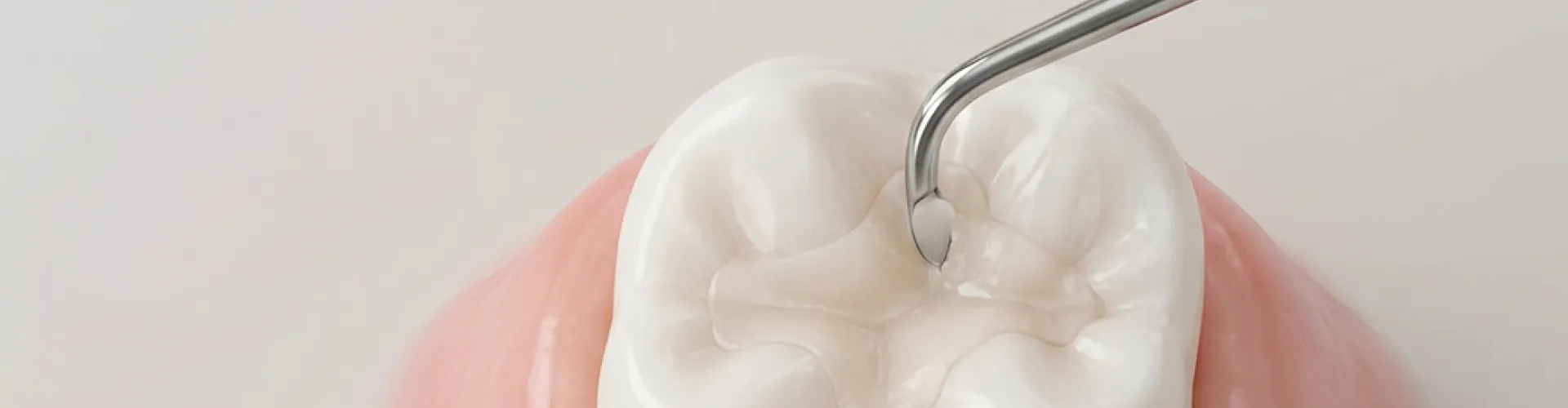
A dental bonding appointment typically runs 30 to 60 minutes per tooth, but patient-specific factors can stretch that timeline significantly. The procedure is largely comfortable, though "painless" isn't always the full story. Here's what Encino patients should genuinely know before sitting in the chair.
Dental bonding is routinely described as a no-anesthesia, no-drill procedure. That's mostly true — and it's genuinely one of the gentler cosmetic dentistry treatments available. But there's a specific moment in the prep phase that surprises patients who were expecting zero sensation.
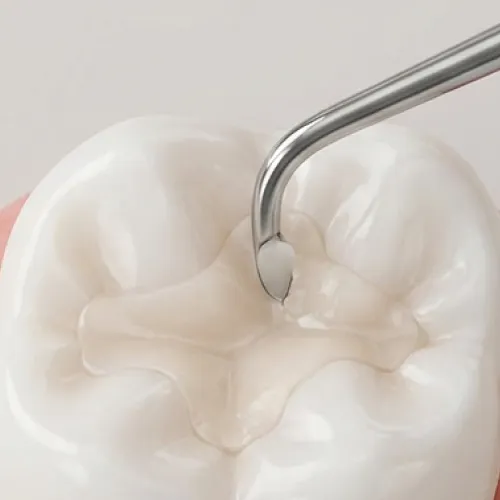
Before the composite resin is applied, your dentist roughens the tooth surface with a mildly acidic etching gel, then blasts the area with air to dry it completely. According to Healthline, anesthesia usually isn't needed unless you're filling a cavity or the chip is close to a nerve. What that explanation skips: patients with thin enamel or exposed dentin can feel a sharp, brief zap during that air-dry step.
Why does this happen? Dehydrating the tooth and applying acid causes microscopic fluid movement inside the dentinal tubules — tiny channels that connect the outer tooth surface to the nerve. It's not drilling pain. It's a quick, shooting sensitivity that catches people off guard.
If you know you run sensitive, tell your dentist before the appointment starts. Requesting a warm-air dry instead of cold, or asking for a localized numbing gel applied to the gum line, can make the etching phase far more comfortable. The procedure itself — resin application and UV curing — produces no discomfort at all.
The 30-to-60-minute estimate is accurate for a straightforward single-tooth case. But composite resin is highly hydrophobic — it bonds to dry enamel, and moisture is its enemy. One microscopic drop of saliva touching the etched surface means the dentist must restart the entire etching, washing, and drying sequence from scratch.
WebMD notes that dentists often protect nearby teeth before beginning and may use isolation systems to control the field. These tools — rubber dams, cotton rolls, or suction devices like an Isolite system — exist specifically because saliva contamination isn't a minor inconvenience. It's a complete restart. The technology used in modern dental practices has made isolation systems more effective than ever, helping keep appointments on track.
Patient-specific factors that can extend appointment time:
The most practical thing you can do: breathe slowly through your nose, keep your tongue pressed gently to the floor of your mouth, and let your dentist know if you need a moment. Staying relaxed and still keeps the bonding clock running efficiently.
After bonding, you'll likely leave the office feeling like something is slightly off. That sensation is normal — and understanding it prevents unnecessary worry.
The human tongue can detect surface changes as small as a fraction of a millimeter. New bonding material adds dimension to a tooth, and the brain initially registers that as foreign. Most patients spend the first day or two unconsciously pressing their tongue against the new shape. That's oral proprioception at work — your nervous system mapping a change in the mouth's landscape. It typically resolves within 48 hours as the brain recalibrates.
What requires attention is a different sensation: a persistent, sharp contact when your upper and lower teeth come together. That's a "high spot" — a small area of the bonding material sitting slightly too tall in your bite. As WebMD explains about repairing chipped teeth, the dentist shapes and hardens the resin, and further adjustments can be made after it sets. A high-spot correction is a painless, five-minute polishing visit. Don't wait for it to wear down on its own — uneven bite pressure over days or weeks can cause the bonding to chip prematurely.
Signs of a high spot vs. normal adjustment:
Call the office if the bite feels uneven after 48 hours. It's a quick fix.
A Healthline overview of dental bonding notes that composite resin isn't as strong as natural tooth enamel and that bonding typically lasts 5 to 10 years before needing replacement. That range, however, is heavily influenced by daily habits.
Bonding chips more readily than crowns or veneers under specific stresses:
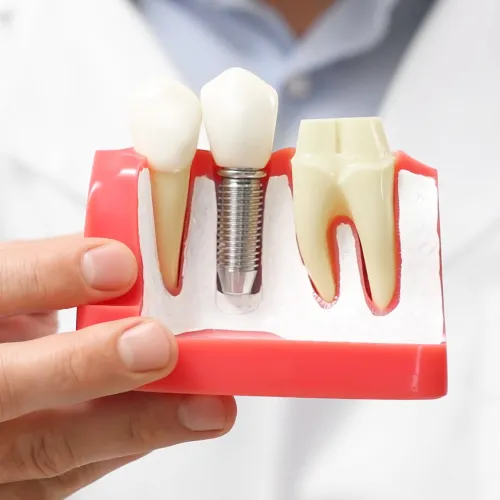
The resin also absorbs staining more readily than porcelain. Coffee, tea, and tobacco can discolor bonded teeth faster than surrounding natural enamel. Research published on PMC on the aging of dental bonding agents confirms that the bond interface gradually degrades over time — which is why regular checkups matter for catching early wear before a chip becomes a larger repair. If wear or damage progresses beyond what bonding can address, options like dental implants or other restorative treatments may be worth discussing with your dentist.
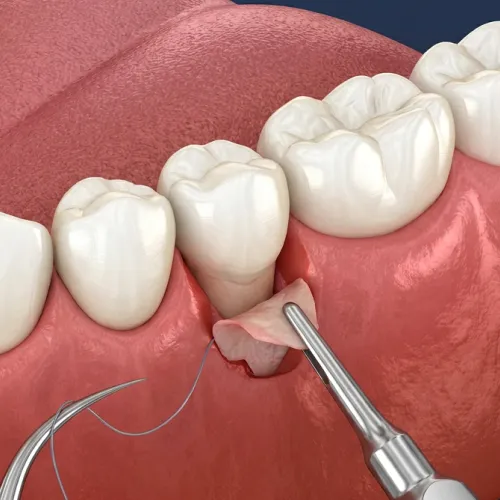
Proper care extends the life of bonding considerably: soft brushing, non-abrasive toothpaste, and keeping up with professional cleanings. Underlying gum health also plays a role — periodontics specialists can help ensure the supporting tissues around bonded teeth remain strong. And if a tooth's inner health is ever in question, endodontics care can address nerve-related concerns before they affect your bonding results.
If you're considering dental bonding and want to know whether it's the right fit for your smile, Akemi Dental Specialists serves patients throughout Encino and the San Fernando Valley. Dr. Matthew Okui and our team can walk you through candidacy, realistic timelines, and what your specific teeth may require — before you ever sit in the chair.
This article is for informational purposes only and does not constitute dental or medical advice. Individual results vary. Please consult a licensed dental professional for diagnosis and treatment recommendations specific to your situation.
Dental Specialists Encino, CA
Here's what our patients are saying about us...



Mon, Fri 6:30 am - 4 pm
Tue, Thu 6:30 am - 5 pm
Wed 6:30 am - 3 pm
Sat, Sun Closed
16055 Ventura Blvd. Suite #820, Encino, CA 91436
Endodontic Care Encino, CA