Is Root Canal Retreatment Worth It to Save Your Natural Tooth?
Wondering if root canal retreatment can save your tooth? Learn about success rates, lifespan, and benefits. Contact Akemi Dental Specialists today!
Read More


Emergency Dentistry
Most people do not wake up one day and suddenly realize they have periodontal disease. It usually starts quietly. Maybe your gums bleed a little when you brush. Maybe your breath never seems as fresh as it should. Maybe your teeth feel slightly more sensitive, or your gums look a little swollen in the mirror. It is easy to brush those things off and assume they are minor.
That is exactly what makes periodontal disease so tricky.
Periodontal disease, also called gum disease, is an infection and inflammation of the tissues that support your teeth. In the early stage, it shows up as gingivitis. At that point, the gums may be red, puffy, tender, or prone to bleeding. If it is not treated, it can progress into periodontitis, which affects the deeper structures that hold your teeth in place.
The good news is that gum disease can often be managed very effectively, especially when it is caught early. The key is knowing what to look for and not waiting until the problem becomes harder to treat.
Your gums do a lot more than frame your smile. They help protect the roots of your teeth and the bone underneath. When gum disease begins to progress, it can slowly damage that support system.
Over time, periodontal disease can lead to bleeding gums, bad breath that does not go away, gum recession, loose teeth, pain when chewing, bone loss around the teeth, and even tooth loss in more advanced cases.
What makes it more frustrating is that many people with periodontal disease are not in severe pain, especially at first. That can create a false sense of security. Just because something is not hurting does not mean everything is healthy.
A healthy mouth should not regularly bleed when you brush or floss. That is one of the clearest signs that something is off.
If you have been wondering whether your gums are trying to tell you something, here are a few signs to pay attention to:
Watch for symptoms like:
Some of these signs may seem small on their own. Together, they can point to a bigger issue. That is why it is important not to self-diagnose based on one symptom alone. A dental exam is the best way to know what stage the condition is in and what kind of treatment may help.
This is one of the most common questions people ask, and it makes sense. If your gums have been irritated or bleeding, you want to know whether your efforts at home are actually helping.
In general, gingivitis is getting better when your gums look calmer and behave more normally.
Here are some good signs:
That said, improvement does not always happen overnight. If you have started brushing more carefully, flossing consistently, and using products recommended by your dentist, it may take a little time before you notice a difference.
It is also important to understand that some people think their gums are improving simply because they stopped flossing the areas that bleed. That does not mean the inflammation is gone. It may just mean the area is being avoided.
If your gums are still bleeding regularly after improving your routine, or if they seem to be getting worse, it is time to come in. Gingivitis is the earliest stage of gum disease, and it is the stage where intervention can make a big difference. Once the disease progresses into periodontitis, home care alone is usually not enough.
People often hope there is one perfect toothpaste that can solve gum disease, but the truth is a little more nuanced.
The best toothpaste for periodontal disease is usually one that helps reduce plaque, supports gum health, and fits your specific needs. For example, some patients benefit from a fluoride toothpaste that fights cavities while also helping with sensitivity. Others may need an antibacterial option or a product recommended specifically by their dentist.
In general, a good toothpaste for gum health should help with plaque control, reducing inflammation, protecting exposed or sensitive areas, and supporting daily oral hygiene.
What matters most is not just the toothpaste itself, but how consistently and effectively you use it. Even a great product cannot do much if brushing is rushed, irregular, or missing the gumline where plaque tends to collect.
If you already have periodontal disease, toothpaste is part of the picture, not the whole solution. It helps support your oral health, but it does not replace professional treatment when deeper infection is present.
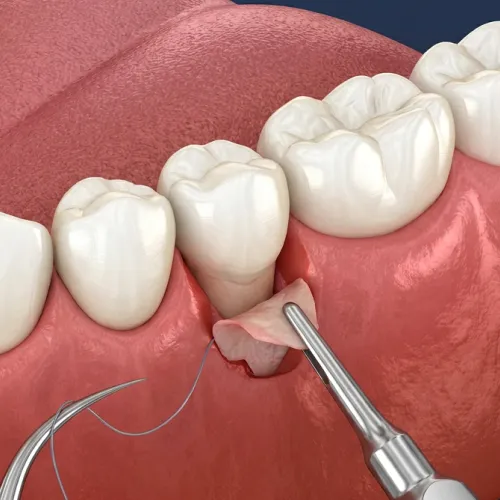
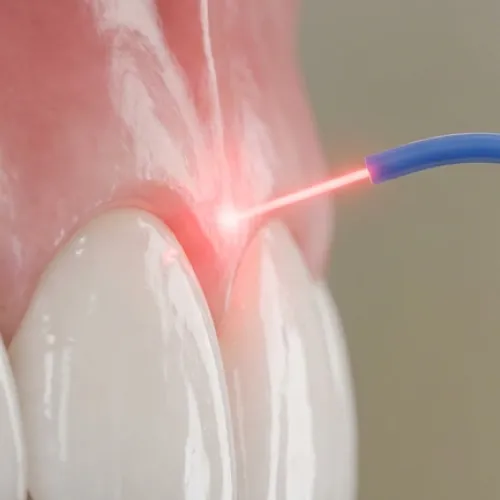
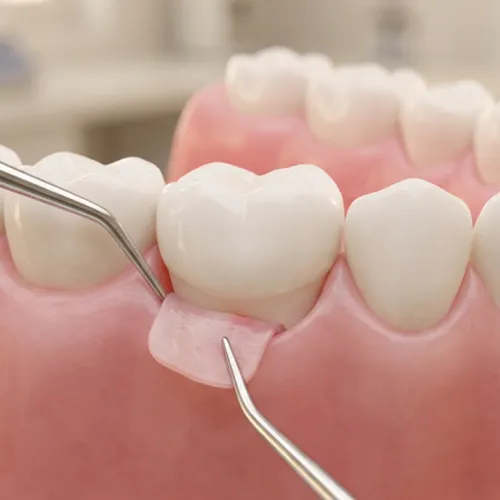
Hearing the phrase “periodontal procedures” can sound intimidating, but it simply refers to treatments designed to manage gum disease and protect the structures around your teeth.
The right treatment depends on how advanced the condition is.
Common periodontal procedures may include:
Not everyone with periodontal disease needs surgery. In fact, many patients do very well with early intervention, deep cleaning, consistent maintenance, and good home care. The most important thing is not to delay evaluation. The sooner the problem is identified, the more conservative treatment can often be.
Periodontal disease usually starts with plaque, which is a sticky film of bacteria that builds up on the teeth and along the gumline. If plaque is not removed thoroughly, it can harden into tartar, which cannot be brushed away at home. That buildup irritates the gums and triggers inflammation.
Several factors can increase your risk, such as inconsistent brushing and flossing, smoking or tobacco use, diabetes, hormonal changes, dry mouth, certain medications, a family history of gum disease, and skipping regular dental visits.
Sometimes people feel embarrassed when they hear they have periodontal disease, but it is more common than many realize. The important thing is not blame. The important thing is taking action.
If you have periodontal disease, treatment is not about perfection. It is about getting the condition under control and protecting your smile going forward.
That usually means a combination of:
Think of gum health as ongoing maintenance, not a one-time fix. With the right care, many people are able to stabilize their gums and keep their teeth for years to come.
Periodontal disease can start small, but it should never be ignored. Bleeding gums, bad breath, gum recession, and tenderness are not things to simply work around. They are signs that your mouth may need attention.
At Akemi Dental Specialists, we can evaluate your gums, explain what is going on, and recommend the right next step based on your needs. Whether you are noticing early signs of gingivitis or you are concerned about more advanced periodontal disease, getting answers now can help protect your smile later.
Schedule an appointment with Akemi Dental Specialists today and let us help you get your gum health back on track.

Dental Specialists Encino, CA
Here's what our patients are saying about us...





Mon, Fri 6:30 am - 4 pm
Tue, Thu 6:30 am - 5 pm
Wed 6:30 am - 3 pm
Sat, Sun Closed
16055 Ventura Blvd. Suite #820, Encino, CA 91436

Endodontic Care Encino, CA