Most people do not hear the word endodontics until they are dealing with a tooth that really has their attention.
Maybe it starts as sensitivity that lingers longer than it should. Maybe it is a deep ache that seems to come and go, then suddenly sticks around. Or maybe a tooth that once felt normal now hurts when you bite, feels tender to the touch, or wakes you up at night. When that happens, it is natural to wonder what is going on and whether the problem is serious.
That is where endodontics comes in.
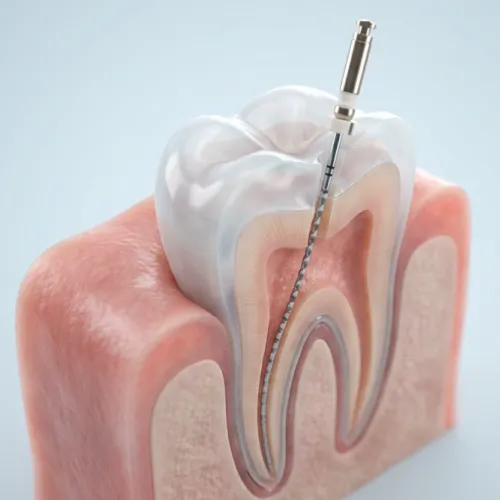
Endodontics is the area of dentistry focused on the inside of the tooth, especially the dental pulp and the tissues around the root. When the inside of a tooth becomes inflamed, infected, or injured, endodontic treatment can often relieve pain, stop the problem from getting worse, and help save the natural tooth.
At Akemi Dental Specialists, we know that most patients are not searching for endodontics because they are curious about dental terminology. They are searching because something feels wrong, and they want answers. The good news is that with the right diagnosis and treatment, many of these issues can be handled effectively and comfortably.
What Endodontics Actually Treats
A tooth may look small from the outside, but there is more going on beneath the surface than many people realize. Inside each tooth is a soft area that contains nerves, blood vessels, and connective tissue. This inner space helps the tooth develop, but once the tooth is fully formed, problems in that area can become painful very quickly.
Endodontic care is usually needed when the pulp inside the tooth becomes:
- Inflamed
- Infected
- Damaged after trauma
- Compromised by deep decay or repeated dental work
This type of problem does not always announce itself the same way in every patient. Some people feel sharp pain right away. Others notice a dull ache, swelling, tenderness, or sensitivity that just does not go away.
In many cases, the goal of endodontic treatment is simple: save the natural tooth whenever possible. That matters because keeping your own tooth is often better for chewing, appearance, and long-term oral health.
When should you see an endodontist for tooth pain?
Not every toothache means you need endodontic treatment, but some symptoms should not be brushed off or waited out for too long.
You should consider seeing an endodontist if you notice:
- Tooth pain that lingers or gets worse
- Sensitivity to hot or cold that does not fade quickly
- Pain when biting or chewing
- Swelling around the gums
- A tooth that feels darkened or discoloured
- A pimple-like bump on the gum
- A history of injury to the tooth, even if the pain is delayed
Sometimes the pain is obvious. Other times, the signs are more subtle. A tooth may feel “off” without causing intense pain right away. That can still point to a problem inside the tooth.
It is also worth noting that tooth pain does not always stay neatly in one spot. Some patients feel discomfort that seems to radiate into the jaw, ear, or surrounding teeth. That can make it harder to tell which tooth is actually causing the problem.
The best time to get evaluated is before the issue turns into an emergency. Waiting too long can allow infection to spread, damage to worsen, and treatment to become more complicated.
Is endodontic treatment the same as a root canal?
This is one of the most common questions patients ask, and the short answer is: not exactly, but they are closely related.
A root canal is one type of endodontic treatment. Endodontics is the specialty itself, while root canal therapy is one of the procedures used to treat problems inside the tooth.
Here is a simple way to think about it:
- Endodontics = the dental specialty focused on the inside of the tooth
- Root canal treatment = a procedure commonly used to remove infected or inflamed pulp and save the tooth
So when people say they need a root canal, they are often talking about the most well-known kind of endodontic care.
There are also other endodontic procedures that may be recommended depending on the condition of the tooth. These can include retreatment of a tooth that had a previous root canal, treatment after dental trauma, or procedures related to the root tip when needed.
The important thing for patients to know is that modern endodontic treatment is designed to relieve pain, preserve your natural tooth, and restore function. It is not the horror story many people imagine before they walk into the office.
Why Saving the Natural Tooth Matters
When a tooth is badly inflamed or infected, some people assume extraction is the easiest solution. In some cases, removing a tooth may be necessary, but it is usually not the first choice if the tooth can still be saved.
Saving your natural tooth has several advantages:
It keeps your bite more stable. Your natural teeth work together as a system. Losing one can affect how you chew and how nearby teeth function.
It helps maintain a natural look and feel. A saved tooth often feels more familiar and comfortable than a replacement.
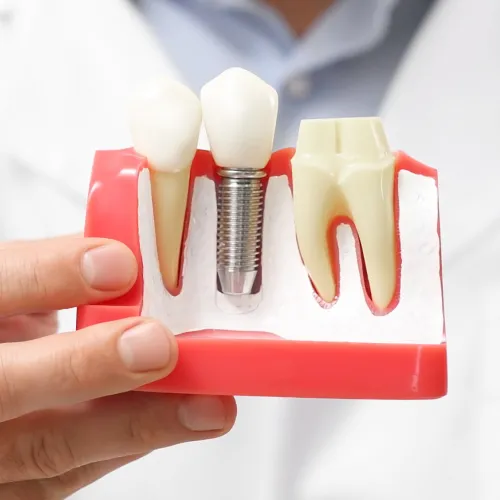
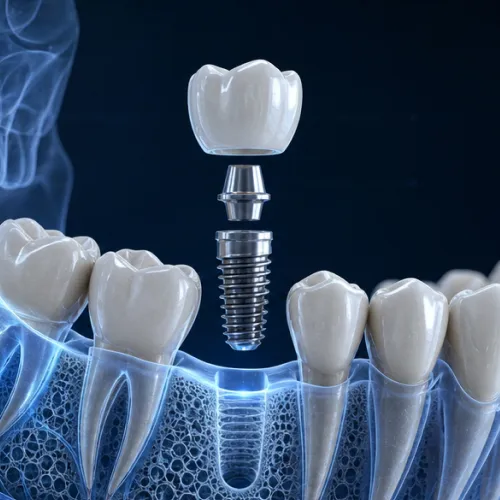
It may prevent more extensive treatment later. Replacing a missing tooth can involve bridges, implants, or other restorative work.
It supports long-term oral health. Preserving tooth structure whenever possible is generally a strong goal in dentistry.
That is why endodontic treatment is often such an important part of comprehensive dental care. It is not just about dealing with pain in the moment. It is also about protecting what can still be preserved.
How do you know if you need endodontic treatment?
The truth is, you cannot always tell on your own. Some signs strongly suggest a problem inside the tooth, but a proper diagnosis usually requires an exam and imaging.
Still, there are a few situations where endodontic treatment becomes more likely.
You may need endodontic care if:
- A cavity has become very deep
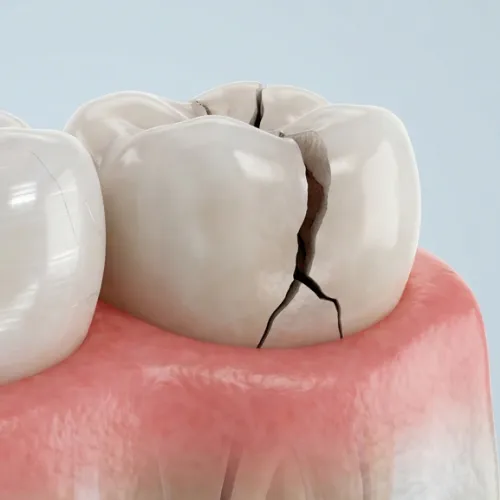
- A tooth has a large crack or fracture
- You have persistent pain or pressure
- A previous filling or crown is no longer protecting the tooth properly
- The tooth has experienced trauma from an accident or injury
- There is infection at or near the root
In some cases, a patient may have very little pain even though the tooth is infected. That is one reason regular dental evaluations matter so much. Dental imaging can reveal changes near the root or inside the tooth before the problem becomes impossible to ignore.
A proper evaluation usually looks at:
- Your symptoms
- The tooth’s response to testing
- X-rays or other imaging
- The health of the surrounding gum and bone
- Any history of trauma or previous dental work
Diagnosis matters because not all tooth pain is treated the same way. Sometimes the issue is gum-related. Sometimes it is a cracked tooth. Sometimes it is decay that has reached the pulp. The treatment recommendation depends on what is actually happening, not just what the pain feels like.
What to Expect From Treatment
One reason patients delay endodontic care is fear. Many have heard dramatic stories about root canals and assume the experience will be worse than the problem itself.
In reality, treatment today is much more comfortable and precise than many people expect.
The process generally involves:
A careful diagnosis: Your specialist examines the tooth, reviews symptoms, and takes imaging to confirm the source of the problem.
Numbing the area: Local anaesthetic is used to help keep you comfortable during treatment.
Treating the inside of the tooth: Damaged or infected tissue is removed, the inside of the tooth is cleaned, and the space is sealed.
Restoring the tooth afterward: In many cases, the tooth will need a filling or crown to help protect it and restore strength.
For most patients, the bigger relief comes after treatment, when the constant ache, pressure, or sensitivity starts to settle down.
A Few Signs You Should Not Ignore
If you are unsure whether your symptoms are serious, it helps to remember this: pain that keeps returning is usually worth investigating.
Do not ignore:
- Pain that wakes you up
- Swelling in the gums or face
- A bad taste in the mouth that keeps coming back
- Sensitivity that lingers long after eating or drinking
- A tooth that feels suddenly loose or tender
- A tooth that has changed colour after injury
These signs do not automatically mean you need endodontic treatment, but they do mean it is time to have the tooth checked.
The Bottom Line on Endodontics
Endodontics may sound like a technical word, but at its heart, it is about something very practical: finding the cause of tooth pain and helping save teeth that might otherwise be lost.
If you have been dealing with persistent tooth pain, lingering sensitivity, swelling, or discomfort when chewing, your tooth may be telling a bigger story than you think. Getting the right diagnosis early can make all the difference.
At Akemi Dental Specialists, we are here to help you get clear answers and thoughtful care when something does not feel right. If you are experiencing tooth pain or think you may need endodontic treatment, schedule an appointment with our team today.