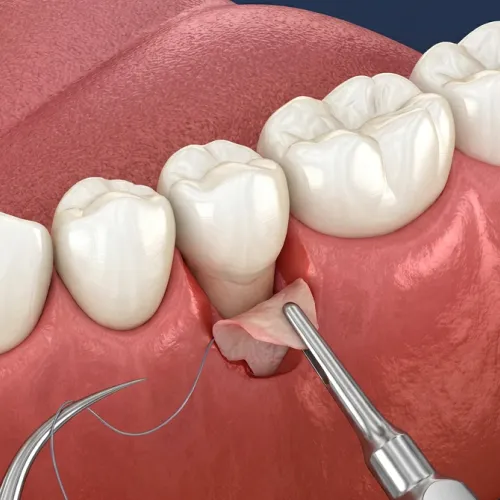
Gum Graft Disadvantages, Risks, and Pain: What Patients in Encino Should Know
Wondering about gum graft risks, pain, and drawbacks? Learn what Encino patients must know before surgery. Schedule your expert consultation with us today!
Read More


Emergency Dentistry
Sometimes a tooth problem announces itself politely, like a mild zing when you sip something cold. Other times it kicks your plans in the teeth at 2 a.m. with a throbbing pulse that makes you wonder if your jaw has its own heartbeat.
That is the moment endodontics steps in.
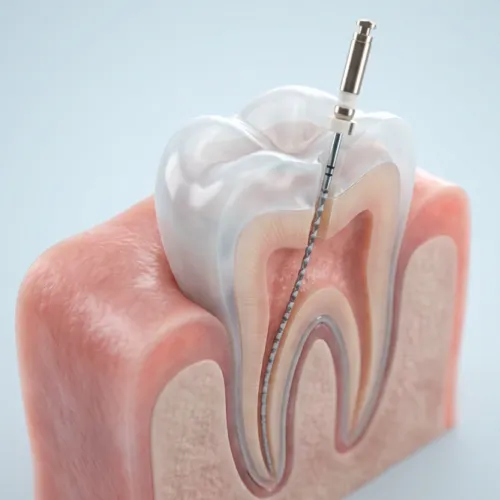
Endodontics is the branch of dentistry focused on the inside of the tooth, specifically the pulp (the soft tissue with nerves and blood vessels) and the roots. The whole goal is simple: get you out of pain, clear the infection or inflammation, and keep your natural tooth whenever possible.
At Akemi Dental Specialists, endodontic care is about being calm, precise, and effective, especially when things feel urgent. If you have been dealing with lingering sensitivity, swelling, pressure, or a tooth that just “doesn’t feel right,” this is for you.
Think of your tooth like a house.
When the “inside” gets irritated or infected, the outside can still look fine at first. That is why a tooth can hurt badly even when it looks normal in the mirror.
Endodontic treatment is designed to:
And yes, root canal treatment is the best-known endodontic procedure, but endodontics also includes diagnosing complex tooth pain, treating dental trauma, and retreating teeth that need a second chance.
Tooth pain is not always dramatic. Sometimes it is a slow build. Here are symptoms that often point to a problem inside the tooth:
Common warning signs:
If any of these are happening, it is worth getting evaluated sooner rather than later. Tooth infections do not usually “heal on their own.” They often quiet down and then come back louder.
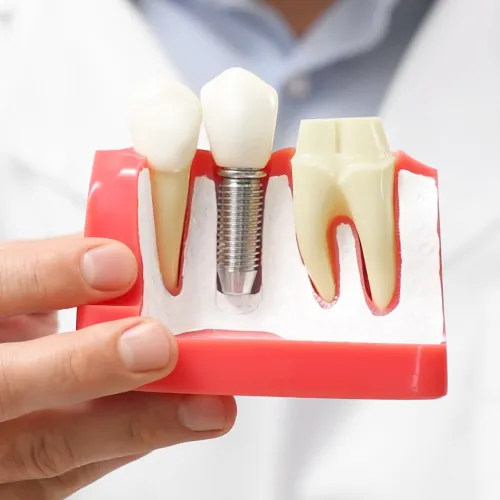
Modern dentistry has great replacement options, but your natural tooth is still the gold standard whenever it can be saved.
Keeping your tooth helps you:
Endodontics is often the difference between losing a tooth and keeping it for years, sometimes decades.
Many general dentists do excellent work, including root canal therapy. But there are times when a case needs a deeper level of focus, magnification, advanced imaging, or specialized techniques.
You should strongly consider seeing an endodontist when:
1) The tooth pain is hard to diagnose:
Some tooth pain is straightforward. Some is not. Pain can radiate, refer to other teeth, or mimic jaw joint or sinus discomfort. Endodontists spend a huge portion of their day diagnosing tooth pain accurately.
2) The root canal anatomy is complex:
Not all teeth have simple root systems. Molars can have multiple canals, curves, tiny branches, and variations that are easy to miss without specialized tools.
3) You have persistent symptoms after treatment:
If you had dental work and the tooth never felt right after, or pain returned months or years later, that is a good reason to see an endodontic specialist.
4) There is dental trauma:
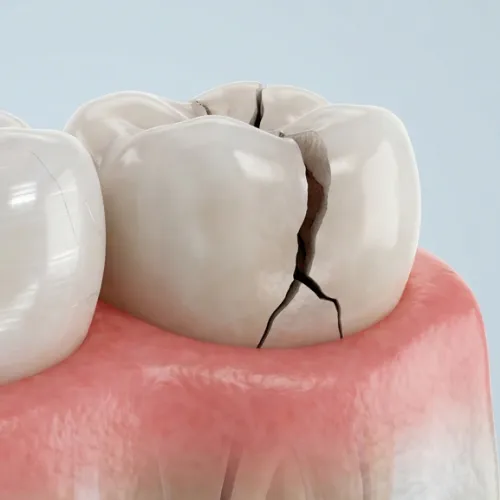
A tooth hit in a fall, sports injury, or accident can suffer internal damage even if it does not crack visibly. Endodontic evaluation can help determine whether the pulp is healing or deteriorating.
5) You want the most conservative option:
When a tooth is borderline, endodontic care can sometimes prevent extraction by treating the infection and preserving the tooth structure.
A practical rule:
If you are dealing with severe pain, swelling, a previously treated tooth that is acting up, or uncertainty about the diagnosis, an endodontist is often the best next step.
Very often, yes.
A tooth that has had a root canal can still run into trouble later. That does not automatically mean the tooth is “done.” It may simply need retreatment or a more targeted repair.
Here are common reasons a previously treated tooth can flare up again:
Reasons root canal-treated teeth may need help later:
What saving it can look like:
What matters most is the evaluation.
With proper imaging and testing, it becomes much clearer whether the tooth is a good candidate for retreatment or whether another option makes more sense.
A quick reality check:
If you are told “it needs to come out” without a thorough endodontic assessment, it may be worth getting a second opinion. Not every tooth can be saved, but many can.
Delaying treatment can turn a manageable problem into a bigger one, sometimes quickly. An infected tooth is not just a “toothache.” It is bacteria and inflammation trapped in a space that is not meant to hold it.
Here is what can happen when you wait:
1) The pain can intensify, then disappear, then return:
This is one of the most misleading patterns. If the nerve tissue inside the tooth dies, pain can temporarily decrease. People assume it “got better.” But the infection can continue spreading silently.
2) The infection can spread beyond the tooth:
A tooth infection can move into the bone around the root tip. That can cause:
3) You risk an abscess and facial swelling:
Once swelling starts, the situation is no longer just inconvenient. It can become urgent.
4) The tooth can become harder to save:
The longer infection sits, the more tooth structure can weaken from decay, fractures, or repeated breakdown of restorations. Endodontic treatment works best when the tooth can still be properly sealed and restored afterward.
5) You may end up needing more treatment, not less:
Waiting does not usually reduce the total work needed. It often increases it. More infection can mean more appointments, more complexity, and sometimes extraction instead of preservation.
Bottom line: if you suspect an infected tooth, it is not the kind of thing to “watch and see.” It is the kind of thing to diagnose and treat.
A lot of people walk in nervous because they are thinking of old stories. Modern endodontic care is different.
In most cases, the goal is that you feel relief, not drama.
Typical steps include:
A key point:
Root canal treatment is not what causes pain. The infection is what causes pain. Endodontic treatment removes the problem.
Saving the tooth is step one. Protecting it long-term is step two.
Best habits after treatment:
If you grind your teeth:
A night guard can help prevent cracks and crown damage. Many “mystery root canal failures” are actually bite stress and micro-cracking over time.
If you are wondering whether your tooth issue is “bad enough,” use this checklist:
Come in soon if:
If you are dealing with tooth pain, sensitivity that will not quit, or you suspect an infection, the fastest path to feeling normal again is a proper diagnosis. Endodontic problems tend to get louder when ignored and more manageable when addressed early.
Schedule an appointment with Akemi Dental Specialists to evaluate the tooth, pinpoint the cause, and talk through the most conservative option to relieve pain and protect your smile.


Dental Specialists Encino, CA
Here's what our patients are saying about us...





Mon, Fri 6:30 am - 4 pm
Tue, Thu 6:30 am - 5 pm
Wed 6:30 am - 3 pm
Sat, Sun Closed
16055 Ventura Blvd. Suite #820, Encino, CA 91436

Endodontic Care Encino, CA