Your smile is often the first thing people notice. It shows up in photos, conversations, and everyday moments you may not even think twice about. But beyond appearance, your smile reflects your overall dental health, confidence, and comfort.
Improving your smile does not always mean dramatic makeovers or invasive procedures. In many cases, it is about thoughtful, well planned changes that support both function and appearance. The best smile improvements are the ones that look natural, feel comfortable, and help your teeth stay healthy for years to come.
At Akemi Dental Specialists, smile improvement is never treated as a one size fits all process. Every smile has its own structure, habits, and needs. This article walks through realistic, effective ways to improve your smile while keeping dental health front and center.
Why improving your smile is about more than looks
A healthy looking smile often signals healthy teeth and gums. When teeth are properly aligned, evenly spaced, and well maintained, they are easier to clean and less likely to develop issues such as decay, gum disease, or uneven wear.
Many people live with small concerns they assume are permanent, such as discoloration, chipped teeth, gaps, or uneven edges. Over time, these concerns can affect how often you smile, how you speak, and even how you feel in social or professional settings.
Improving your smile can lead to:
- Better oral hygiene due to easier cleaning
- Reduced strain on jaw joints and teeth
- Improved confidence in daily interactions
- A more youthful and refreshed appearance
- Long term protection against dental problems
The key is choosing improvements that work with your natural teeth rather than against them.
What are the safest and most effective ways to improve your smile?
Safety and effectiveness should always come first when considering any smile improvement. Trends come and go, but your teeth are meant to last a lifetime. The safest options are those that protect tooth structure while enhancing appearance.
Here are proven, dentist approved ways to improve your smile safely.
1. Professional teeth whitening
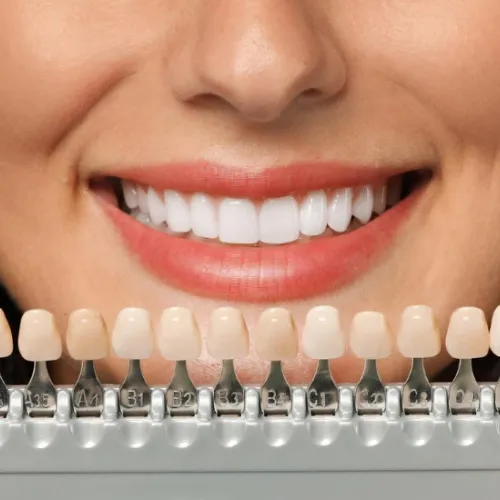
Teeth whitening remains one of the most popular and effective ways to refresh a smile. Professional whitening is designed to lift stains caused by coffee, tea, wine, aging, and everyday habits.
Unlike over the counter products, professional whitening is:
- Customized to your teeth
- Closely monitored to reduce sensitivity
- More consistent and longer lasting
- Safer for enamel and gums
Whitening works best on natural teeth and is often the first step before other cosmetic treatments.
2. Dental bonding for small imperfections
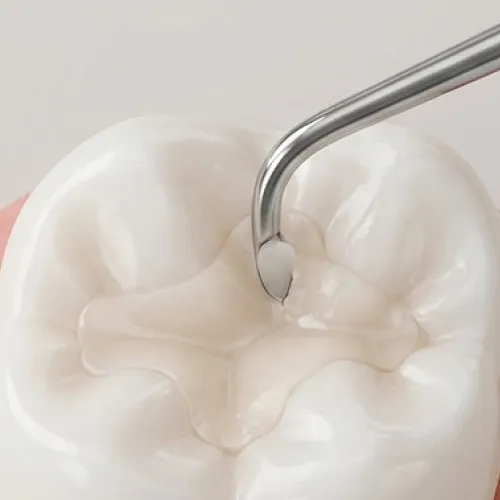
Dental bonding uses tooth colored resin to repair chips, small gaps, uneven edges, or minor shape issues. It is a conservative option that preserves your natural tooth structure.
Bonding is effective for:
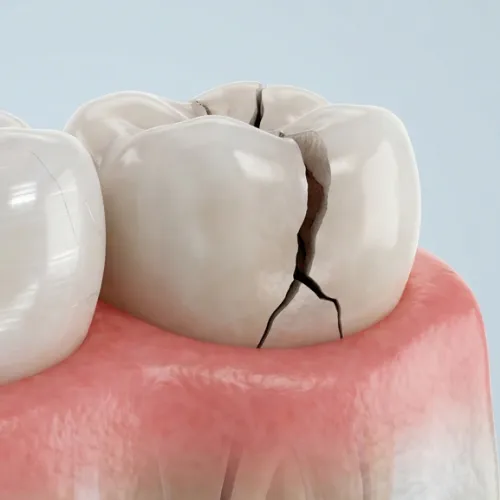
- Chipped or cracked teeth
- Slight gaps between teeth
- Worn or uneven edges
- Small cosmetic flaws
The procedure is usually completed in one visit and blends seamlessly with surrounding teeth when done properly.
3. Veneers for comprehensive smile improvement
For patients seeking a more noticeable transformation, veneers can address multiple concerns at once. Veneers are thin, custom crafted shells placed over the front surface of teeth.
They can improve:
- Color that does not respond to whitening
- Shape and proportion of teeth
- Alignment issues that do not require braces
- Minor spacing concerns
When planned carefully, veneers enhance your smile while maintaining a natural appearance.
4. Orthodontic treatment for alignment
Straightening your teeth improves both appearance and function. Proper alignment reduces plaque buildup, lowers the risk of gum disease, and distributes biting forces evenly.
Modern orthodontic options include clear aligners that are discreet and removable, making treatment easier to fit into adult lifestyles.
5. Routine cleanings and preventive care
One of the most overlooked smile improvements is consistency. Regular professional cleanings remove buildup that brushing alone cannot reach. Healthy gums frame your smile and prevent recession that can make teeth appear longer or uneven.
Preventive care supports every cosmetic improvement and often prevents the need for more extensive treatment later.
How can cosmetic dentistry improve your smile without compromising dental health?
Cosmetic dentistry works best when it is built on a foundation of healthy teeth and gums. A beautiful smile that is uncomfortable, fragile, or difficult to maintain is not a long term solution.
Modern cosmetic dentistry focuses on balance. The goal is to enhance appearance while preserving structure, function, and comfort.
Here is how cosmetic treatments can improve your smile responsibly.
Cosmetic treatments are planned with function in mind
Before recommending any cosmetic procedure, your dentist evaluates:
- Bite alignment
- Jaw movement
- Gum health
- Tooth strength and enamel thickness
This ensures that cosmetic changes do not interfere with how your teeth work together.
Conservative approaches are prioritized
In many cases, less is more. Small adjustments can create noticeable improvements without aggressive reshaping or unnecessary removal of enamel.
Examples include:
- Light reshaping to smooth uneven edges
- Bonding instead of crowns for minor repairs
- Whitening before considering veneers
Materials are designed to mimic natural teeth
Modern dental materials are engineered to look and feel like natural enamel. They reflect light properly, resist staining, and are designed for durability.
When done correctly, cosmetic work should not stand out or feel artificial.
Long term maintenance is part of the plan
A responsible cosmetic approach includes clear guidance on care, hygiene, and follow up visits. This helps ensure your smile improvement lasts and remains healthy.
Cosmetic dentistry should never replace proper oral health. It should support it.
Which smile improvement options work best for different dental concerns?
Every smile concern has multiple possible solutions. The best option depends on the condition of your teeth, your goals, and how you want your smile to feel and function long term.
Below are common concerns and the treatments often used to address them.
Discolored or stained teeth
Best options include:
- Professional teeth whitening
- Veneers for stains that do not respond to whitening
- Composite bonding for isolated discoloration
The right choice depends on the cause of the staining and the condition of the enamel.
Chipped or uneven teeth
Effective solutions include:
- Dental bonding for small chips
- Veneers for shape and size correction
- Light reshaping for minor unevenness
The goal is to restore symmetry without weakening the tooth.
Gaps between teeth
Treatment options may include:
- Bonding for small gaps
- Veneers for more uniform spacing
- Orthodontic treatment for functional alignment issues
Closing gaps improves both appearance and ease of cleaning.
Crooked or misaligned teeth
Depending on severity, options include:
- Clear aligners
- Traditional orthodontics
- Veneers for mild cosmetic alignment concerns
Alignment plays a major role in long term dental health, so proper assessment is essential.
Worn or aging smiles
Teeth naturally wear down over time, especially if grinding or clenching is involved.
Solutions may include:
- Bonding to rebuild worn edges
- Veneers to restore length and shape
- Bite adjustments to reduce further wear
Addressing wear helps protect teeth from sensitivity and fractures.
Everyday habits that quietly improve your smile
Not all smile improvements happen in the dental chair. Your daily habits play a major role in how your smile looks and feels.
Consider these practical steps.
Brush and floss consistently: This may sound obvious, but technique matters. Brushing twice daily with proper technique and flossing regularly keeps gums healthy and teeth bright. Healthy gums are the foundation of a confident smile.
Watch what you sip throughout the day: Frequent exposure to acidic or dark colored drinks can stain and weaken enamel. Rinsing with water and spacing out these beverages helps protect your teeth.
Wear a night guard if you grind: Grinding wears down enamel and alters the shape of your smile over time. A custom night guard protects your teeth and preserves cosmetic work.
Keep up with regular dental visits: Small issues are easier to address early. Routine exams help maintain your smile improvements and prevent setbacks.
Choosing the right approach for your smile
The best smile improvement plan starts with a conversation. Rather than focusing on one specific treatment, it is helpful to look at the full picture.
A thoughtful consultation considers:
- Your oral health history
- Your lifestyle and habits
- Your comfort level with treatment
- Your long term goals
From there, a personalized plan can be created that enhances your smile naturally and responsibly.
A confident smile starts with the right care
Improving your smile does not require perfection. It requires intention, expert guidance, and care that respects both appearance and health.
At Akemi Dental Specialists, smile improvement is approached with precision, honesty, and a deep understanding of how dental health and aesthetics work together. Whether you are considering subtle changes or a more comprehensive update, the focus remains the same: results that look natural, feel comfortable, and support your long term dental wellness.
If you have been thinking about improving your smile, the next step is simple.
Schedule an appointment with Akemi Dental Specialists today and discover what is possible for your smile with expert, personalized care.